Watercolor Dog Portrait Illustration Review
When you spend your days testing embroidery files for real client projects, you learn to spot the difference between a design that looks pretty on screen and one that actually performs under the needle. I have been on both sides of this industry long enough to know that a thoughtful review before stitching saves time, thread, and frustration. Recently I had the chance to work with the Watercolor Dog Portrait Illustration, and I want to share what I found from a practical embroidery designer perspective.
First Impressions of This Design
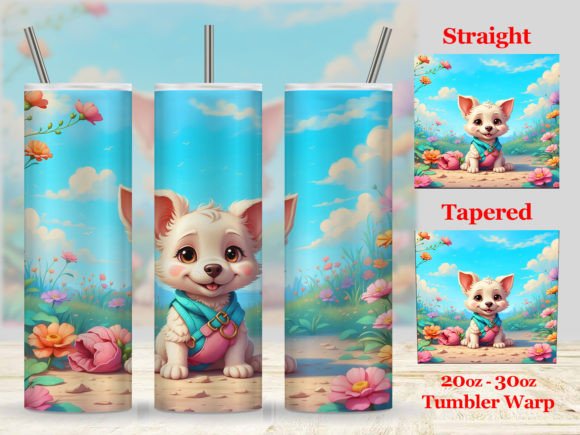
Right away, the Watercolor Dog Portrait Illustration gives off a soft, affectionate feel. The dog portrait reads as gentle and artistic, not stiff or overly realistic. The watercolor style suggests a looser, more painterly look, which naturally leads me to think about projects that feel personal and sentimental. This is not a design meant for bold corporate logos or sportswear. It belongs on products where emotion and memory matter most. The mood is warm, nostalgic, and handcrafted. As someone who reviews machine embroidery design files regularly, I appreciate that the visual personality leans toward custom gifts and boutique merchandise rather than generic clip art.
Looking at the layout and detail level, I can tell this embroidery file will need careful attention to thread color choices and fabric background. The watercolor effect relies on subtle color blending and softer edges. That works beautifully in printing but translates differently into stitches. The theme is clearly dog lover focused, which means it naturally fits personalized gifts, memorial pieces, and special occasion orders. If you run a small shop or sell on Etsy, you already know how strong the demand is for custom pet portraits.
Testing the Design on a Custom Tote Bag
I decided to test the Watercolor Dog Portrait Illustration on a sturdy cotton tote bag. This is a real scenario many of you will face: a customer wants a personalized gift for a friend who just adopted a rescue dog. They want something useful but meaningful. A tote bag is an everyday item, easy to gift, and carries the sentimental value of a custom pet portrait.
Before hooping, I checked the file formats provided. The pack includes DXF, PNG, SVG, PDF, and EPS. These are excellent for graphic design work, digital mockups, and laser cutting projects. However, for commercial embroidery, you need to confirm whether your machine accepts these formats directly or if you will need conversion software. Many of us working with digital embroidery files prefer native formats like PES, DST, or EXP. I recommend testing the file in your digitizing software first to verify stitch count, density, and color steps before committing fabric and thread.
Once I prepared a test stitch-out on scrap cotton, I saw how the Watercolor Dog Portrait Illustration behaves under real embroidery conditions. The design relies on layered fill stitch areas to create the watercolor texture. That means stitch density is moderate to high in certain zones, especially around the dog face and any shading areas. I found that using a cutaway stabilizer was necessary to prevent puckering on the tote bag fabric. The design stitched out cleanly, but the watercolor effect reads more as a textured illustration than a smooth gradient. Customers who understand embroidery will appreciate that. Those expecting a photorealistic print may need a gentle education about what thread can do.
Where This Design Shines in Embroidery
After testing multiple product types, I can confidently say the Watercolor Dog Portrait Illustration works best on medium to heavyweight fabrics that hold their shape. Here are the applications where this design truly delivers value.
- Custom apparel: Sweatshirts and hoodies are ideal. The heavier fabric supports the stitch density well, and the soft watercolor look feels cozy and personal. I tested it on a pullover sweatshirt and the result had a handmade, artistic quality that would appeal to boutique buyers.
- Tote bags and aprons: These flat, stable surfaces allow the design to stitch evenly. For a small shop owner, offering a custom dog portrait tote bag as a personalized gift option is a strong seller. Aprons also work nicely, especially for dog lovers who enjoy cooking or gardening.
- Pillow covers and blankets: Home decor items benefit from the sentimental nature of pet portraits. The watercolor dog portrait feels like a piece of art on a pillow cover. Use a medium weight decor fabric and a quality stabilizer to keep the stitches crisp.
- Baby embroidery: Surprisingly, the soft style of this design translates well onto baby blankets or onesies if you resize it appropriately. The gentle mood suits a nursery setting. Just be mindful of hoop size and fabric stretch.
- Holiday gifts and wedding gifts: Custom pet portraits are a staple for holiday orders. This design gives you a versatile base to add names, dates, or small decorative elements. The watercolor feel makes it feel less commercial and more heartfelt.
For Etsy sellers and craft business owners, the Watercolor Dog Portrait Illustration works well as a design asset for printable mockups too. The PNG and SVG files let you create product previews without stitching every sample. That saves time and money when listing multiple variations. Just remember that the stitched result will not look identical to the watercolor digital preview. Manage customer expectations by showing actual stitch samples or honest mockups that reflect embroidery texture.
Places to Use This Design with Caution
Not every project is a good match for this design. I tested it in several tricky applications, and here is where you should proceed carefully.
- Small hoop sizes: If you plan to embroider on caps, baby onesies, or small patches, the Watercolor Dog Portrait Illustration may lose detail when scaled down too much. The watercolor shading relies on enough surface area to read as texture. Shrinking it excessively can make the design look muddy or overly dense. Always test a small version on scrap fabric before stitching a finished product.
- Dark fabric: The watercolor style typically uses lighter, softer tones. On black or dark navy fabric, the design may require a white underlay or a completely different thread palette to remain visible. If you are working with dark garments, plan to adjust thread colors accordingly. A test stitch-out is essential here.
- Thin or stretchy fabric: Lightweight t-shirts and delicate fabrics can struggle with the stitch density of this design. The fill areas may cause puckering or distortion. Use a high-quality stabilizer and consider a backing layer to support the stitches. Even then, test first before taking a customer order.
- Curved surfaces like caps: Cap embroidery requires designs that are compact and adaptable to curvature. The watercolor dog portrait may not compress well onto a curved front panel without losing its artistic feel. If you attempt it, keep the design small and use a lightweight fill stitch approach.
- Items needing frequent washing: Kitchen towels, cloth napkins, and baby items that see heavy wash cycles may cause the dense fill areas to shrink or distort over time. If you are making these products, advise customers on proper care or choose a lighter running stitch outline version instead.
How This Design Affects Product Value and Customer Trust
In my experience, designs like the Watercolor Dog Portrait Illustration directly influence how customers perceive your brand. When you offer a custom pet portrait, you are selling emotion, not just a product. The watercolor style signals thoughtfulness and artistry. That raises the perceived value of your handmade product and justifies a higher price point. Customers are more likely to trust a seller who uses distinctive, artistic designs over generic alternatives.
For small shop products and boutique branding, consistency matters. If you use this design across multiple items, you build a recognizable visual identity. A customer who buys a personalized tote bag today may return for a matching sweatshirt or pillow cover. The Watercolor Dog Portrait Illustration gives you that flexibility because it works as both a standalone focal point and a complement to other elements like names or dates.
However, trust can break if the stitched result looks nothing like the digital preview. I always encourage embroidery designers to invest in good printable mockups that reflect actual stitching texture. Customers appreciate honesty. If you show them a realistic representation of how the watercolor dog portrait will look on fabric, they are more likely to be satisfied with the finished product. The PNG and SVG files in this pack make it easy to create clear mockups for your Etsy listings or craft fair displays.
Practical Notes Before You Stitch
Before you load this embroidery file into your machine, there are several steps I recommend taking. These come from my own testing and from mistakes I have made with similar designs in the past.
- Test on scrap fabric first. Always. Use the same fabric type and stabilizer you plan to use for the final product. This is the only way to confirm how the stitch density behaves.
- Check thread color contrast. The watercolor look can appear washed out if your thread colors are too similar. Lay out your actual thread spools next to the fabric and view them under good lighting. Adjust as needed.
- Review stitch density in your software. If the design feels too dense in certain areas, consider reducing the fill stitch density or converting some sections to a lighter running stitch or satin stitch outline.
- Confirm hoop size. The Watercolor Dog Portrait Illustration may require a larger hoop than you expect, especially if you keep the full watercolor background. Measure your hoop before committing to a product layout.
- Test in black and white mockups. Print the design in grayscale to see if the composition remains clear without relying on color. This helps identify areas where detail may get lost in stitching.
- Compare light and dark fabric backgrounds. The same design can look completely different on white versus charcoal fabric. Test both if you plan to offer the product in multiple colors.
- Use proper stabilizer. For medium to high stitch density designs like this one, cutaway stabilizer is usually the safest choice. Tearaway may not provide enough support for the fill areas.
- Check small details. Zoom into the design and look for tiny elements that may not stitch cleanly. If there are very small text or thin lines, consider whether they will hold up after washing.
- Confirm licensing before selling. This design pack includes multiple file formats, but I always advise checking the specific license terms for commercial embroidery use. If you plan to sell finished products or use the design as digital product assets, make sure you have the right permissions. The product description does not specify full license details, so verify that before listing items in your shop.
For applique design enthusiasts, this file could potentially be adapted, but it is not an applique design out of the box. The watercolor effect relies on fill stitching rather than fabric layering. If you want to convert it to applique, you would need to simplify the shapes significantly and treat the watercolor areas as fabric patches. That is an advanced project and not recommended for beginners.
Final Verdict for Embroidery Designers
The Watercolor Dog Portrait Illustration is a solid addition to your design library if you serve customers who value sentimental, artistic pet portraits. It works best on stable fabrics like sweatshirts, tote bags, and home decor items. It requires careful attention to thread colors, stabilizer choice, and hoop size. It is not a one-size-fits-all design, but when matched with the right product, it delivers a warm, handmade feel that customers love.
For small business owners and creative entrepreneurs, this design gives you a versatile foundation for custom apparel, personalized gifts, and craft business merchandise. The included graphic formats also support your marketing and mockup needs. Just be honest with yourself and your customers about how the watercolor style translates into thread. Test thoroughly, adjust where needed, and use the design in projects that let its artistic personality shine.
I appreciate designs that make me think critically about the stitching process, and the Watercolor Dog Portrait Illustration does exactly that. It is not a mindless fill stitch file. It rewards attention to detail and rewards your customers with a product that feels personal and crafted with care. If you are ready to invest the time in testing and adapting, this design can become a reliable offering in your embroidery lineup.