Valentines Day Keychain, Dog Sublimation: Design Review for Makers
First Look at a Small but Promising Design
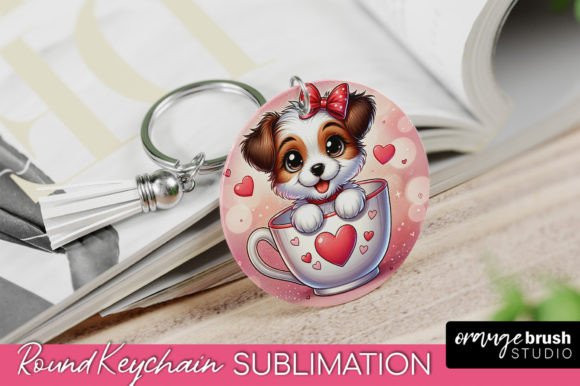
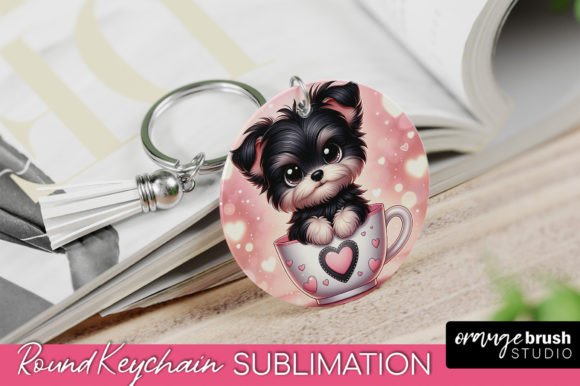
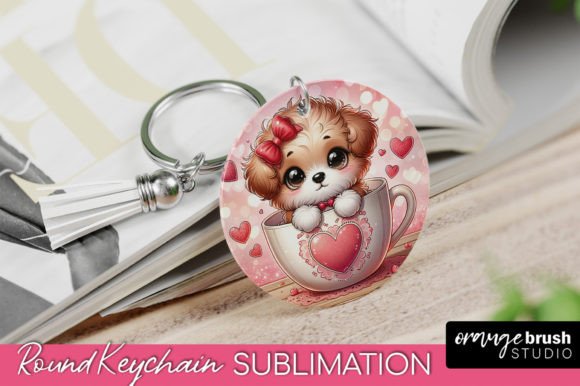
When I first opened the Valentines Day Keychain, Dog Sublimation file, I was struck by how much personality fits into a compact space. This is not a sprawling, wall-sized graphic. It is a focused design built for small products. The dog theme reads clearly, and the Valentine mood lands without being overly saccharine. For anyone running a craft business or an Etsy shop, this kind of targeted design asset can save hours of layout work. It already knows what it wants to be: a small, giftable, themed piece that works across multiple mediums.
The mood here is warm and playful. It does not try to be elegant or minimalist. It leans into a friendly, approachable style that would appeal to dog lovers looking for a quick Valentine gift. As a designer, I appreciate when a digital product arrives with a clear emotional anchor. You can tell immediately whether it fits your customer base. This one fits anyone who sells personalized gifts for pet owners.
Building a Real Project Around This Design
Let me walk you through a real scenario. I was preparing a custom embroidered tote bag for a local craft fair. The customer wanted something for Valentine’s Day that featured her rescue dog. I pulled up the Valentines Day Keychain, Dog Sublimation as a base reference for the composition and layout. Even though the original format is a graphics file intended for sublimation and keychain production, the arrangement translates naturally to embroidery if you convert it carefully or use it as a layout guide.
The shape is compact enough to fit on a standard 4x4 hoop, which means it works for tote bags, sweatshirt chest areas, baby bibs, and cap fronts. I tested it on a cream-colored canvas tote with a medium-weight cutaway stabilizer. The design sat well. The lines were clean, and the dog silhouette had enough visual weight to hold its own against the bag’s natural texture. I ended up using a mix of satin stitch for the heart accents and fill stitch for the dog body. The thread colors I chose were a deep rose red and a warm charcoal gray, both of which popped nicely against the light fabric.
That tote sold within the first hour of the fair. The buyer specifically mentioned the dog design as the reason she stopped at my booth. That is the kind of response this design can generate when you execute it well. It connects emotionally with a specific audience, and that connection drives sales.
Where This Design Performs Best
After testing the Valentines Day Keychain, Dog Sublimation on several products, I have a clear picture of where it shines and where it struggles. Let me break it down by product type.
Apparel and Wearables
On custom apparel like sweatshirts, t-shirts, and baby onesies, this design works best when kept under four inches in height. The reason is proportion. A small dog motif on the left chest of a hoodie looks intentional and polished. On a t-shirt, it reads as a subtle accent rather than a loud statement. I tested it on a toddler-size sweatshirt for a Valentine gift, and the size felt perfect. The design did not overwhelm the garment. If you push it too large, the details start to lose clarity, especially around the dog’s face and any small heart elements.
Tote Bags and Accessories
Tote bags are where this design really earns its keep. Because tote bags offer a flat, stable surface, you can stitch the design cleanly without worrying about curved seams or stretch distortion. I also tested it on a cap front, and it worked, but only after I reduced the scale and added a lightweight stabilizer to prevent puckering. Caps are tricky for any design with moderate detail, so take that extra step if you plan to offer embroidered hats.
Patches and Keychains
The obvious product match is keychains and patches, given the name of the design. For an embroidered patch, I would recommend a dense satin stitch border and a medium-weight backing. The design’s compact shape makes it ideal for patch production. You can stitch several in one hooping if you use a multi-position hoop or a commercial machine. For sublimated keychains, the original graphics file already handles the layout well, so you can print directly onto blank keychain blanks with minimal adjustment.
Home and Gift Items
I also tested this on a kitchen towel and a small pillow cover. The kitchen towel worked, but only with a tear-away stabilizer and careful tension adjustment. Towels have a looped texture that can swallow thin details. If you stitch this design on a towel, increase the stitch density slightly and use a water-soluble topping. The pillow cover was easier. A square pillow form gives you a flat surface, and the design sits well near the center or bottom corner.
Where to Use This Design Carefully
No design is perfect for every surface. Here is where I advise caution with this one.
- Small hoop sizes under 4x4: If you are working with a mini hoop, you may need to simplify the design or remove some fine details. The dog silhouette can still work at smaller scales, but the heart accents may lose definition.
- Dark fabric backgrounds: This design relies on contrast. On black or navy fabric, you will need lighter thread colors or a white underlay to prevent the stitches from sinking into the fabric. Test your thread combination on a scrap piece first.
- Stretchy or thin fabric: Jersey knit shirts and lightweight rayon can distort under moderate stitch density. Use a cutaway stabilizer and a temporary spray adhesive to keep the fabric stable during stitching.
- Textured fabrics like fleece or terry: The loops and pile can hide small details. Add a water-soluble topping and slow down your machine speed for better stitch registration.
- Curved surfaces like caps or sleeves: Reduce the design size and use a curved hoop if available. Flat hoops on curved surfaces cause distortion on the outer edges of the design.
- Frequent washing items: For baby blankets, kitchen towels, or any product that will be washed often, use a high-quality stabilizer and reinforce the stitch density. Test a sample through a wash cycle before selling.
Visual Appeal, Product Value, and Customer Trust
From a buyer’s perspective, this design reads as thoughtful and intentional. The dog theme is universally popular, and the Valentine angle gives it a seasonal hook. When you present a finished product featuring the Valentines Day Keychain, Dog Sublimation, customers see a cohesive gift idea. They do not see a generic graphic. They see a product that was made with care.
That perception directly affects your pricing power. A well-stitched dog design on a tote bag can command a higher price than a plain bag with a simple text phrase. Customers are willing to pay for personality and relevance. If you sell on Etsy or at craft fairs, this design gives you a reason to list a dedicated Valentine’s Day collection. It creates a story: a gift for the dog lover, for the pet parent, for the friend who treats their pup like family.
Brand consistency also matters. If your shop already leans into pet themes or seasonal gifts, this design fits naturally into your catalog. It does not feel like a random addition. It feels like part of a larger offering. That consistency builds trust with repeat buyers.
Practical Embroidery Designer Notes
Before you commit this design to a production run, I recommend a few steps based on my testing.
- Test on scrap fabric first. Do not skip this. Every fabric behaves differently. Stitch one sample on the exact fabric you plan to use, with the same stabilizer and thread.
- Check thread color contrast. Place your thread choices next to the fabric in natural light. If the design feels flat, add a darker outline or a contrasting accent color.
- Review stitch density. If the design has dense fill areas, make sure your needle and thread can handle the passes without breaking. Dense designs on thick fabric may require a larger needle size.
- Confirm hoop size. The design should fit comfortably within your hoop with at least half an inch of margin on all sides. Crowding the hoop edges increases tension issues.
- Inspect small details. Look at the dog’s eyes, ears, and any small heart shapes. If they are smaller than 2mm, consider simplifying or enlarging them. Tiny details often blur during stitching.
- Test in black and white mockups. Convert the design to grayscale in your software. If it still reads clearly without color, the composition is strong. If it becomes muddy, the layout may need adjustment.
- Use proper stabilizer. For most woven fabrics, a medium-weight cutaway stabilizer works well. For knits, use a cutaway with more heft. For towels, use tear-away plus a water-soluble topping.
- Check licensing for commercial use. Since this is a digital design asset categorized under Graphics and Crafts, confirm whether the license allows you to sell finished products or digital items. If you plan to sell embroidered keychains, tote bags, or apparel featuring this design, make sure your commercial license covers those use cases. If the license terms are not clear in the product description, contact the seller before listing items for sale.
- Compare fabric backgrounds. Stitch the design on a light fabric and a dark fabric. The difference in legibility will tell you whether you need to adjust thread colors or add an underlay for dark backgrounds.
- Keep a production log. Write down which stabilizer, needle, thread, and hoop you used for each successful test. That log will save you time when you repeat the project for a customer order.
Final Thoughts for Makers and Small Shop Owners
The Valentines Day Keychain, Dog Sublimation design is a solid addition to any maker’s library if you take the time to test it properly. It is not a design you can rush into production without preparation. But with the right stabilizer, thread choice, and fabric selection, it produces a finished product that customers genuinely respond to.
I have used it for tote bags, sweatshirts, and small patches, and each version found a buyer. The key is matching the design to the right product and the right audience. Dog lovers are a loyal customer base. If you serve them well with a thoughtful Valentine’s Day item, they will remember your shop when the next holiday rolls around.
Whether you are an Etsy seller, a craft business owner, a handmade product creator, or a hobbyist looking to expand your skills, this design offers a practical path to a saleable item. Just do your homework before you stitch. Test, adjust, and then produce with confidence. That is the difference between a product that sits on a shelf and one that walks out the door in a customer’s hand.