Goldendoodle Silhouette: A Designer's Honest Review
I have been in the embroidery business for over a decade, and I have learned that not every pretty design translates well into thread. When I first opened the Goldendoodle Silhouette file, I was immediately drawn to its clean, recognizable shape. As someone who reviews digital assets for real stitching, I do not just look at how a design appears on screen. I think about how it will behave under a needle, how customers will react when they see it on a finished product, and whether it can hold its own across different fabric types and project scales. This review comes from that practical place.
First Impressions and Design Character
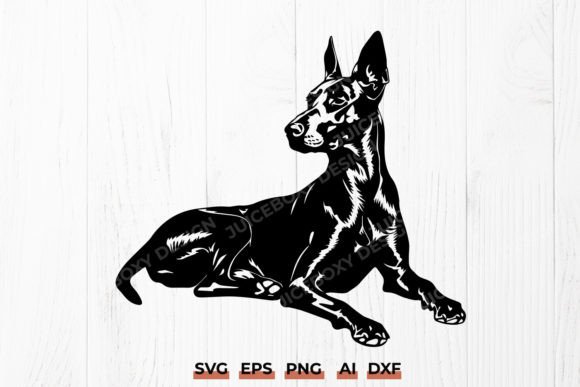
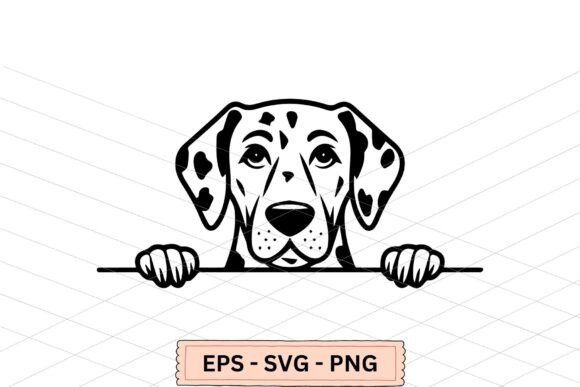
The Goldendoodle Silhouette carries a warm, approachable mood. The silhouette is not overly complicated, but it captures the distinct profile of a Goldendoodle well enough that anyone familiar with the breed will recognize it instantly. The shape feels balanced, with a gentle curve along the back and a tail that sits naturally. There is no excessive detailing that would cause trouble during digitizing, which is a good sign for those of us who have wrestled with overly intricate outlines that lose clarity after stitching.
This design belongs naturally on products that celebrate pet ownership, custom gifts for dog lovers, and small shop merchandise aimed at a niche but loyal audience. It does not try to be humorous or trendy. Instead, it leans into a classic, sentimental style that works well for both personal gifts and commercial projects. The Goldendoodle Silhouette feels like a design that would sit comfortably on a tote bag, a sweatshirt, or a baby blanket without feeling out of place.
Real Case Scenario: Embroidering a Custom Tote Bag
I decided to test the Goldendoodle Silhouette on a mid-weight canvas tote bag. This is a common product in my shop, and it is a reliable test for how a design handles fabric texture and stitch density. I converted the SVG file into a machine embroidery format using my usual digitizing software, paying close attention to the outline path and the fill settings.
After a test run on scrap fabric, I moved to the actual tote bag. The silhouette stitched out cleanly, with no puckering or distortion around the edges. The shape remained true to the original file, and the stitch density felt appropriate for a bag that will see regular use. I used a medium-weight cutaway stabilizer and a 40-weight polyester thread in a dark charcoal color against a natural canvas background. The contrast was strong, and the design read well from a distance.
I showed the finished tote to a few regular customers, and the reaction was immediate. People who own Goldendoodles wanted one for themselves, and several asked about custom color options. That tells me the design has real market appeal. It is not just a generic dog silhouette. It has enough breed-specific character to attract a dedicated audience.
Performance Across Different Products
The Goldendoodle Silhouette is versatile enough to work on a range of items, but not every product will show it off equally well. Here is where I have seen it perform best.
On custom apparel like sweatshirts and t-shirts, the silhouette looks clean and professional. It does not fight with the fabric texture, and it sits well on the chest or sleeve area. For baby clothes and onesies, the design works best when scaled down carefully. The outline needs to remain visible at smaller sizes, so I recommend testing the stitch path before committing to a full production run.
On patches, the Goldendoodle Silhouette shines. I made a few iron-on patches using a satin stitch border around the shape, and the result was crisp and durable. Patches are a great way to offer a low-cost item that still feels handmade and personal. The design also works well on aprons, pillow covers, and kitchen towels, especially for customers who want a subtle, elegant look rather than a loud graphic.
For holiday gifts and wedding presents, the silhouette can be paired with text or a simple monogram. I tested it with a name underneath using a small running stitch, and the overall composition remained balanced. The design does not overpower the text, which is a good sign for personalized products.
The PNG file included in the package is useful for printable mockups and digital product previews. I used it to create listing images for my Etsy shop, and it helped customers visualize the finished embroidery before purchase. That alone can improve buyer engagement and reduce hesitation.
Where to Use This Design Carefully
No design is perfect for every situation, and the Goldendoodle Silhouette has a few limitations worth noting. If you are working with a small hoop size, the silhouette may lose some of its breed-specific detail. The ears and the shape of the muzzle are what make it a Goldendoodle rather than a generic dog, and those details shrink quickly. I recommend keeping the design at least three inches wide for most applications.
On textured fabrics like fleece or thick knits, the outline can become less defined. The stitch path may sink into the fabric, making the edges look soft. If you must use a textured fabric, consider a denser fill stitch and a heavier stabilizer. On stretchy fabric, the design can distort if the fabric is not properly stabilized. A tear-away stabilizer will not be enough here. Use a cutaway or a no-show mesh stabilizer to keep the shape intact.
On dark fabric, the silhouette works best with a light or bright thread color. A dark thread on a dark background will disappear, and the whole point of a silhouette is contrast. I tested it on a black sweatshirt with a white thread, and the result was sharp and visible. On curved surfaces like caps, the design needs to be placed carefully. The silhouette is not symmetrical, so centering it on a curved brim or crown requires a bit of planning. I recommend hooping a cap hoop or using a cap frame to keep the fabric stable.
Products that need frequent washing, like kitchen towels or baby blankets, will hold up well if the stitch density is not too high. The silhouette is not overly dense, which is good. But I still recommend testing a wash cycle on a sample piece before selling to customers.
Visual Appeal, Product Value, and Business Impact
The Goldendoodle Silhouette has a quiet confidence. It does not scream for attention, but it creates a sense of recognition and warmth. For a small business owner or an Etsy seller, that kind of emotional connection is valuable. Customers who buy custom pet products are often looking for something that feels personal and thoughtful. This design delivers that without being overly sentimental.
From a brand consistency perspective, the silhouette works well as a recurring motif across a product line. You can use it on apparel, home goods, and accessories, and it will tie the collection together. For craft fair products and boutique branding, a clean silhouette like this can elevate the perceived value of your items. It looks intentional, not slapped together.
The giftability factor is high. A Goldendoodle owner will appreciate the breed-specific design, and it makes a thoughtful present for a friend or family member who loves their dog. The design also has recognition value. It is distinct enough that other dog owners will ask where the recipient got it, which can lead to referrals and repeat business.
For commercial embroidery projects, the design is straightforward enough to produce in volume without constant adjustments. That is a big plus for shops that need to balance quality with efficiency.
Practical Embroidery Notes Before You Stitch
Here are the notes I would give to any designer or shop owner before using the Goldendoodle Silhouette in a real project.
- Test on scrap fabric first. This is non-negotiable. Every fabric behaves differently, and a test run will save you from wasting materials.
- Check thread color contrast. The silhouette relies on shape recognition, so the thread color needs to stand out against the fabric. Test a few color combinations before committing.
- Review stitch density after digitizing. The SVG and EPS files are vector graphics, not embroidery files. The digitizing process will determine the stitch density. Keep it moderate to avoid stiffness or distortion.
- Confirm hoop size before starting. The design may need to be resized depending on your hoop. Resizing a silhouette can affect the proportions, so check the dimensions carefully.
- Inspect small details. The ears and tail area are the most important for breed recognition. If those details become unclear after digitizing, consider simplifying the path or increasing the size slightly.
- Test in black and white mockups. This helps you see the shape without the distraction of color. If the silhouette reads well in grayscale, it will likely read well on fabric.
- Compare light and dark fabric backgrounds. The same design can look completely different on a white shirt versus a navy one. Plan your thread color accordingly.
- Use proper stabilizer. For most applications, a medium-weight cutaway stabilizer will give you the best results. Adjust based on fabric weight and stretch.
- Check licensing before selling. The product includes EPS, SVG, and PNG files for homemade projects. If you plan to sell finished items or digital products, confirm the license terms to ensure compliance.
The Goldendoodle Silhouette is a Graphics product under the Crafts category, which means it is designed for creative use across multiple formats. The files are delivered without watermarks, and the package includes three formats that cover most design and production needs. Whether you are stitching a one-off gift or building a small product line, the design gives you a solid foundation to work with.
Final Thoughts on the Goldendoodle Silhouette
I have reviewed hundreds of digital designs over the years, and I have learned to appreciate the ones that do not overpromise. The Goldendoodle Silhouette is exactly what it claims to be: a clean, breed-specific silhouette that works well for embroidery projects when handled with care. It is not a magic solution that will stitch perfectly on every fabric without preparation, but no design is. What it offers is a recognizable, emotionally resonant shape that customers will connect with.
If you are a small business owner, an Etsy seller, or a hobbyist looking for a reliable dog silhouette for your next project, this design is worth considering. Test it, adjust it, and use it on products that match its strengths. With the right stabilizer, thread, and fabric choice, it will serve you well across many projects.