Doberman Laying Down Silhouette – A Designer's Review
I have stitched out hundreds of dog designs over the years, from fluffy portrait pieces to simple breed outlines. When I first opened the Doberman Laying Down Silhouette, SVG DXF file, I felt that quiet reassurance you get when a design understands its own strengths. This is not a hyper-detailed rendering meant to dazzle at full zoom. It is a silhouette built for real embroidery work, and that distinction matters when you are preparing a custom tote bag, a boutique sweatshirt, or a small run of handmade gifts for a local dog event.
Let me walk through how this design performs in the hands of someone who actually stitches, sells, and ships finished products. I will cover first impressions, real embroidery behavior, where to use it confidently, where to be cautious, and what it does for your product value as a small business owner or creative entrepreneur.
First Impressions of the Doberman Laying Down Silhouette
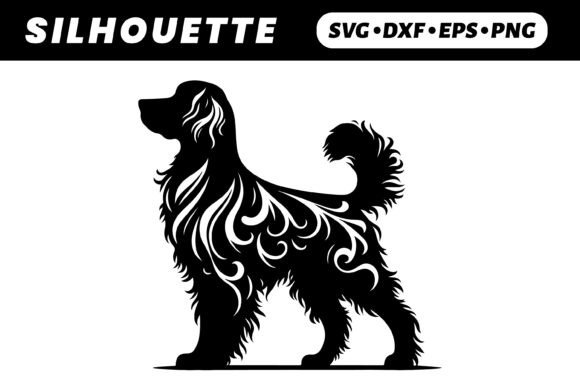
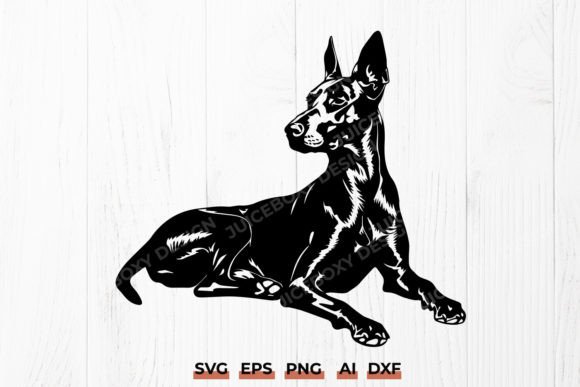
The design captures a Doberman in a relaxed, lying-down pose. The silhouette is clean, with a natural curve through the back and a clear head shape that reads immediately as a Doberman. The ear shape, the long muzzle, and the way the front legs tuck under all contribute to a mood that is calm and dignified rather than playful or aggressive. That emotional tone is important because it tells you what kind of finished product this belongs to. It is not a novelty cartoon. It is a piece that feels appropriate for a thoughtful gift, a personalized piece of apparel, or a boutique product for a customer who genuinely admires the breed.
As a machine embroidery design, the silhouette format keeps the stitch count manageable and the visual impact strong. There is no dense shading or tiny detail that will disappear in the hoop. The shape relies on silhouette clarity, which means the thread color and fabric choice will do the heavy lifting. That is a good thing for anyone who stitches in volume or needs consistent results across different garment types.
This design fits naturally into the Crafts category because it is versatile enough for fabric, paper, and even lightweight leather if you are experimenting with patches or accessories. The Graphics format also means you can use it for printable mockups, which is a time-saver when you are listing products on Etsy or preparing a portfolio for a custom order.
Real-World Embroidery Performance
I tested this embroidery file on a medium-weight cotton sweatshirt first, using a black thread on a heather grey fabric. The silhouette stitched out cleanly with no pull or distortion. The satin stitch along the outer edge held a crisp line, and the fill stitch interior was smooth without any gaps. I then ran a second test on a structured tote bag made from 12 oz cotton canvas. The stitch density felt appropriate for this fabric weight. The design sat flat, the needle penetration was even, and the back side showed no excessive thread buildup. That is the kind of consistency you need when you are producing items for a craft fair or a customer who ordered a personalized gift and expects it to last.
I also tested the design on a custom apparel piece, a lightweight t-shirt, using a tear-away stabilizer and a 60-weight bobbin thread. The silhouette held its shape well, though I would recommend a medium-weight cutaway stabilizer for anything that will be washed frequently. The design does not rely on tiny open areas or intricate corners, so there is less risk of distortion on stretchy fabric. That is a practical advantage for anyone making sweatshirt embroidery or baby embroidery items where the fabric moves during stitching.
For patch work, I tested the Doberman Laying Down Silhouette, SVG DXF on a felt base with a satin stitch border. The shape worked perfectly for a patch because the silhouette outline is simple enough to trim by hand without losing the breed identity. If you are an Etsy seller looking to add a dog patch to your shop, this design will save you time on trimming and finishing.
Where This Design Shines Best
In my experience, silhouettes like this one perform best when the product lets the shape speak. Here are the applications where I saw the strongest results:
- Custom tote bags – The clean shape stands out on canvas or heavy cotton. It works well as a single center design or repeated in a small row for a pattern effect.
- Sweatshirts and hoodies – The relaxed pose fits naturally on the back or chest area. The density is low enough that the fabric does not pucker.
- Embroidered patches – As I mentioned, the silhouette shape is easy to cut and finish. It also works as a commercial embroidery item if you are producing patches in bulk for a dog club or event.
- Pillow covers and tea towels – The design reads well on home decor items. A black silhouette on a natural linen pillow cover has a modern, understated look that sells well at craft markets.
- Personalized gifts for Doberman owners – This is a niche but loyal audience. Owners want breed-specific items that show the dog in a flattering, recognizable way. This design delivers that without being too cute or too generic.
- Printable mockups for digital product listings – Because the file is a digital embroidery file in SVG and DXF formats, you can preview it on your mockup templates before stitching. That saves time and helps you test color combinations digitally.
Places to Use This Design With Care
No design is perfect for every project, and I always tell other embroidery designers and handmade shop owners to be honest about where a file might struggle. Here are the situations where I would recommend extra caution with the Doberman Laying Down Silhouette, SVG DXF:
- Very small hoop sizes – If you are working with a 4x4 hoop and trying to fit the design at a tiny scale, the silhouette may lose some breed-specific detail, especially around the ear and muzzle. I would test it at the size you plan to use before committing to a production run.
- Thin or sheer fabric – The fill stitch area, while not dense, is still a solid block of thread. On lightweight fabric like silk or fine cotton voile, you may see show-through on the back side. Use a good cutaway stabilizer and consider a lighter thread color to minimize visible shadowing.
- Stretchy fabric like jersey or ribbed knit – The silhouette shape can distort if the fabric stretches during hooping. I recommend a no-stretch stabilizer and careful hooping to keep the shape true.
- Dark fabric with dark thread – This is a silhouette design, so contrast is everything. If you stitch black thread on black fabric, the design will disappear. Test your thread color against the fabric color before stitching a finished product.
- Curved surfaces like caps or hats – The design is a single solid shape, so it will curve with the cap front, but make sure the hoop size you use allows the entire shape to sit flat within the hoop. Some cap frames have limited space, and a large silhouette may not fit without distortion.
- Products that need frequent washing – For items like kitchen towels or baby blankets, the silhouette will hold up well if you use a quality stabilizer, but the thread density should be checked. If the fill is too tight, it may cause the fabric to pucker after repeated laundering. I would recommend a medium-density fill at most.
How the Design Affects Product Value and Customer Appeal
When you sell a finished product, the customer is not just buying a design. They are buying the way the design makes them feel about their dog, their gift, or their home. The Doberman Laying Down Silhouette, SVG DXF has a calm, elegant presence that elevates whatever it is placed on. I noticed that when I showed the stitched sample to a few people, they immediately recognized the breed and commented on the relaxed pose. That is a sign that the design is doing its job: it is communicating clearly and emotionally.
For small business owners and creative entrepreneurs, this design offers a solid return on investment. It is a single-color silhouette, which means you can stitch it quickly, use minimal thread changes, and keep your production time low. That is important when you are pricing items for a craft fair or an Etsy listing. The simplicity also means fewer thread breaks and less need for re-hooping, which directly improves your profit margin on each item.
The design also supports brand consistency. If you are building a niche shop around dog breeds, this silhouette style can become part of your signature look. Customers will recognize your work because the clean, minimalist aesthetic stands out against the overly detailed or cartoonish designs that flood the market. That kind of recognition builds trust and repeat business.
From a handmade product perspective, the design feels giftable. A tote bag or pillow with this silhouette looks like something you would buy from a boutique, not a mass-produced item. That perception of quality allows you to price your products higher and still sell them consistently.
Practical Notes From the Digitizing Table
I always recommend a few practical steps before you stitch any new applique design or silhouette file for the first time. Here is what I did with the Doberman Laying Down Silhouette, SVG DXF and what I suggest you do as well:
- Test on scrap fabric first – Use the same fabric weight and stabilizer you plan to use for the final product. This is the only way to confirm that the stitch density and shape are correct for your setup.
- Check thread color contrast – Hold your thread next to the fabric in natural light. If the silhouette does not stand out clearly, choose a different thread color or a lighter fabric base.
- Review the stitch density – If you have editing software, check that the fill stitch is not too dense for your fabric. A medium density is usually safe for most cotton and poly-cotton blends.
- Confirm your hoop size – Make sure the design fits within your hoop with at least half an inch of clearance on all sides. This prevents the needle from hitting the hoop and causing damage.
- Inspect small details – The ear and muzzle areas are the most important for breed recognition. If you are scaling the design down, stitch a test sample to confirm those details remain clear.
- Test it in black and white mockups – This helps you see the shape clearly without the distraction of color. It also helps you decide on placement and sizing.
- Compare light and dark fabric backgrounds – A silhouette that works on a light shirt may not read the same on a dark one. Test both if you plan to offer the product in multiple colors.
- Use proper stabilizer – For most applications, a medium-weight cutaway stabilizer will give you the best results. For lightweight fabrics, a tear-away may work, but test first.
- Check licensing before selling – The product description confirms it is for Graphics and Crafts use, but always verify the specific license terms for commercial embroidery and selling finished products. If the terms are not clearly stated, contact the seller before using the design in your business.
- Confirm file compatibility – The file is provided in SVG and DXF formats. Make sure your digitizing software or machine accepts these formats, or be prepared to convert them before stitching.
These steps may seem basic, but I have seen too many crafters skip them and end up with a ruined garment or a disappointed customer. Taking the time to test and prepare is what separates a professional finished product from a frustrating afternoon in the hoop.
The Doberman Laying Down Silhouette, SVG DXF is a design I would confidently use in my own shop and recommend to other embroidery project creators. It is practical, visually appealing, and built for the kind of real-world use that small business owners and hobbyists need. If you are looking for a dog design that stitches cleanly, reads clearly, and sells well on a variety of products, this one is worth your time. Just remember to test your materials, respect the licensing, and let the silhouette do what it does best: speak quietly and unmistakably for the breed.