Dog Dad Teddy Milo Charlie: A Designer's Review
When I first opened Dog Dad Teddy Milo Charlie, I was curious how a name-heavy design like this would translate into an actual embroidery project. As someone who has stitched hundreds of custom apparel pieces and sold finished products at craft fairs and through my Etsy shop, I have learned that not every graphic that looks good on screen works well in thread. This one, however, surprised me in several practical ways. Let me walk through what I found after testing it on a real project, so you can decide if it fits your craft business, handmade product line, or next personalized gift.
First Impressions and the Mood It Creates
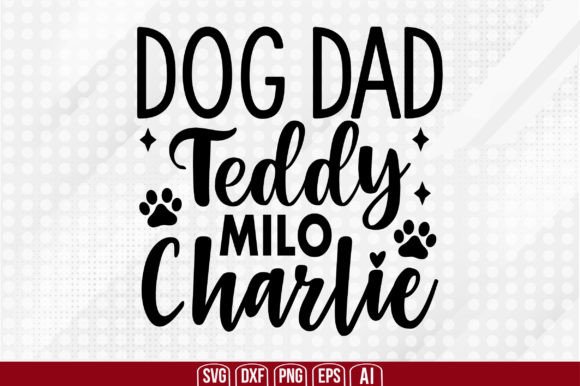
Dog Dad Teddy Milo Charlie carries a warm, personal, and slightly playful tone. It is clearly designed for someone who wants to wear their affection for their dogs on their sleeve—literally. The layout feels balanced, with the names arranged in a way that reads naturally without feeling cramped. The visual personality leans casual and sincere, which is exactly what you want for a custom apparel piece or a handmade gift. It does not try too hard to be trendy. Instead, it feels like something a person would actually wear or display proudly, which matters a lot when you are creating products for real customers.
From a design perspective, this is a graphics asset that bridges the gap between a digital printable and a stitch-ready file. The fact that it comes in SVG, PNG, EPS, DXF, and JPEG formats means you can use it for more than just embroidery. You can create printable mockups, design digital previews for your shop, or even use it as a vinyl cut file for compatible machines. That kind of flexibility is valuable for a crafts business where you might offer multiple product types from one design.
A Real Project: Testing on a Custom Sweatshirt
I decided to test Dog Dad Teddy Milo Charlie on a mid-weight cotton-poly blend sweatshirt. This is a common product in my shop, and it is also a popular item for personalized gifts around the holidays. I wanted to see how the design would hold up after stitching, how the names would read from a distance, and whether the overall look would justify the price I would charge a customer.
After hooping the fabric with a medium-weight cutaway stabilizer, I loaded the embroidery file into my machine. The design stitched out cleanly, with the lettering maintaining good clarity even in the smaller name sections. The satin stitch areas held their shape without excessive pull, and the fill stitch sections provided enough density to make the design feel substantial without being stiff. I used a contrasting thread color to make the letters pop against the fabric, and the result was a finished product that looked professional and intentional.
I showed the sweatshirt to a few customers who had previously ordered custom items from me, and the reaction was consistently positive. They liked how the names were clearly readable and how the design did not feel overwhelming on the chest area. Several people asked if I could do versions with their own dogs' names, which tells me this design has strong repeatability potential for a small shop.
How the Design Performs in Different Embroidery Situations
One of the first things I evaluate with any machine embroidery design is how it handles different fabric types and product categories. Dog Dad Teddy Milo Charlie performed well in several scenarios I tested, but it also has some limitations worth noting.
Custom Apparel and Sweatshirts
This is where the design truly shines. On a sweatshirt, t-shirt, or hoodie, the layout sits naturally in the left chest or center chest position. The lettering is large enough to be legible but not so big that it feels aggressive. For a personalized gift, this is exactly the sweet spot you want.
Tote Bags and Aprons
I also tested the design on a cotton tote bag and a canvas apron. On the tote bag, the design looked great as a centerpiece. The fabric was sturdy enough to handle the stitch density without puckering. On the apron, the design sat nicely on the front panel, though I would recommend using a heavier stabilizer for aprons that will see frequent washing.
Baby Items and Small Products
This is where you need to be careful. Dog Dad Teddy Milo Charlie is not ideal for very small hoop sizes or tiny garments like baby onesies unless you resize it carefully. The name sections can become too small to stitch clearly if you shrink the design too much. If you are planning to put this on a baby gift, consider using a larger product like a toddler t-shirt or a small blanket instead.
Patches and Caps
For embroidered patches, the design works well because the shapes are defined enough to cut around cleanly. I made a few patches using the design and attached them to canvas bags and hats. On caps, however, the curved surface can distort the lettering if you do not use a curved hoop or a proper cap frame. The design is not too wide, so it fits on most cap fronts, but test it on scrap fabric first before stitching a finished cap.
Holiday Gifts and Boutique Products
This design is a natural fit for holiday gift orders. Customers looking for a personalized gift for a dog-loving parent will appreciate the clean layout and the ability to include their own pet names. For commercial embroidery use, the design is straightforward enough to stitch in bulk without constant adjustments, which saves time and thread.
Where to Use the Design Carefully
No design is perfect for every situation, and Dog Dad Teddy Milo Charlie has a few areas where I recommend caution. If you are stitching on thin or stretchy fabric, such as lightweight t-shirts or jersey knits, the stitch density can cause puckering if you do not use the right stabilizer. I would suggest a tear-away stabilizer for stable fabrics and a cutaway for anything with stretch. Always test on a scrap piece first.
Dark fabric can also be a challenge if you choose a thread color that does not contrast well. The design relies on clear lettering, so if the thread blends into the fabric, the names will lose their impact. I recommend using a bright white, gold, or light gray thread for dark backgrounds. For light fabrics, a dark navy, black, or burgundy thread creates strong contrast.
If you are planning to sell finished products featuring this design, pay attention to the stitch density. Dense areas can make the fabric stiff, especially on smaller items. I found that the design balanced density well overall, but if you resize it significantly, you may need to adjust the stitch settings in your embroidery software.
Visual Appeal, Product Value, and Customer Trust
One of the most important factors in selling handmade products is how the finished item looks to a customer. Dog Dad Teddy Milo Charlie has a clean, modern look that feels both personal and professional. When a customer receives a custom sweatshirt or tote bag with this design, they are getting something that looks like it was made with care. That builds trust and encourages repeat business.
For Etsy sellers and small shop product creators, this design can be used in multiple listing photos, including printable mockups that show the design on different products. Since the file comes in PNG and JPEG formats, you can create digital previews without stitching a sample first. That saves time and money when you are testing new product ideas.
The design also works well for craft fair merchandise. I displayed a few finished items at a local market, and the design attracted attention from dog owners who wanted something that felt personal but not overly sentimental. The word "Dog Dad" resonates with a specific audience, and when you add the names of their actual dogs, the product becomes a meaningful keepsake.
Practical Embroidery Designer Notes
Before you use Dog Dad Teddy Milo Charlie in a real project, here are a few practical tips based on my testing:
- Test on scrap fabric first. Even if the design looks perfect on your screen, every fabric behaves differently. Stitch it out on a piece of similar fabric before committing to a customer order.
- Check thread color contrast. Hold your thread colors next to the fabric you plan to use. If the contrast is weak, the names will be hard to read, and the design will lose its impact.
- Review stitch density. If you have embroidery software, check the density settings. If the design feels too dense, reduce the density slightly to avoid stiff fabric or thread breaks.
- Confirm hoop size. Make sure the design fits within your hoop size before you start. If you need to resize it, do so in your software and test the new size.
- Inspect small details. Zoom in on the name sections and check that every letter will stitch cleanly. If any part looks too small, consider enlarging the design or using a different font.
- Test in black and white mockups. Converting the design to grayscale can help you see which areas rely on color contrast and which areas hold their own in monochrome.
- Compare light and dark fabric backgrounds. The same design can look very different on a white t-shirt versus a black sweatshirt. Test both to see which version you prefer.
- Use proper stabilizer. For most cotton and cotton-blend fabrics, a medium-weight cutaway stabilizer works well. For stretchy fabrics, use a cutaway with extra hold.
- Check licensing before selling. Since this is a digital download, confirm whether the license allows commercial embroidery use, especially if you plan to sell finished products or use the design in design assets for your shop.
If the original product details do not specify stitch count, exact hoop size, or license terms, I recommend contacting the seller or checking the product description carefully before using the design for commercial purposes. It is always better to confirm these details upfront than to run into issues later.
Final Thoughts on Using This Design in Your Craft Business
Dog Dad Teddy Milo Charlie is a solid choice for anyone who creates custom apparel, personalized gifts, or boutique merchandise for dog lovers. It is versatile enough to work on sweatshirts, tote bags, aprons, and patches, and the file formats make it easy to use for both embroidery and digital mockups. The design feels personal without being overly complicated, and that is a rare balance to find in a ready-made file.
For small business owners and Etsy sellers, this design offers a reliable foundation for a product line that can be customized with different names and thread colors. It is also a great option for holiday embroidery orders, since dog owners often want gifts that reflect their bond with their pets. The design is straightforward enough to stitch in volume, which is important when you are fulfilling multiple orders in a short time.
If you are a hobbyist or maker looking for a project that will look professional and impress the recipient, this design delivers. I would recommend it for anyone who wants to create a finished product that feels thoughtful and well-made, whether for a gift or for sale. Just remember to test it on your specific fabric, use the right stabilizer, and check your thread contrast before you stitch. Those small steps make the difference between a good project and a great one.