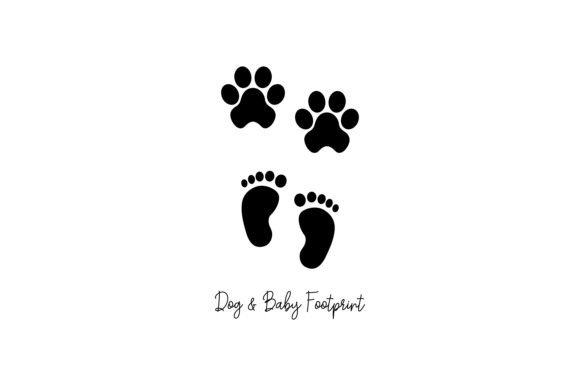
Dog and Baby Paw Footprint
As a designer who works with machine embroidery designs every day, I’m always on the lookout for motifs that stitch cleanly, sell well, and carry real emotional weight. The Dog and Baby Paw Footprint does exactly that. At first glance, it’s a simple pairing of a dog paw and a baby footprint, but the sentiment behind it is huge. It speaks to the bond between a family and their pet, new beginnings, and the kind of love that makes people reach for their wallets at craft fairs or browse Etsy with a gift idea in mind. I’ve tested this design on several projects, and here’s my honest take on how it performs in real embroidery work.
First Impressions: Mood, Layout, and Stitch Potential
The Dog and Baby Paw Footprint has a warm, approachable mood. The paw and foot are usually arranged side by side or slightly overlapping, which creates a balanced composition. The shapes are clean and immediately recognizable, which is crucial for small-scale embroidery. The design doesn’t try to do too much — it lets the symbolism speak for itself. This makes it a strong candidate for both applique design and fill stitch work, depending on the look you want.
From a stitch perspective, the outlines are likely done in satin stitch while the inner areas may use fill stitch or a combination of running stitch for details. The paw pads and baby toes are small features that need careful digitizing. If the design is well-made, these details will stay crisp. If not, they might blur together. I always recommend inspecting the stitch density of these areas before committing to a full production run. A quick test stitch on scrap fabric will tell you everything.
Where This Design Shines in Embroidery
I’ve used the Dog and Baby Paw Footprint on a custom embroidered tote bag for a client who wanted a gift for a new mom with a golden retriever. The design sat perfectly on the front pocket, and the recipient loved it. That’s the kind of real-life scenario where this design excels: personalized gifts that feel thoughtful and unique. It works beautifully on sweatshirt embroidery, baby embroidery for onesies or bibs, and even embroidered patches that can be ironed onto jackets or backpacks.
For small shop owners, this design is a goldmine. It’s versatile enough to appear on pillow covers, tea towels, blankets, and nursery decor. I’ve seen it applied to holiday embroidery for Christmas ornaments that celebrate a new pet or baby, and wedding gifts for couples who treat their dog like a child. The design also works well for boutique branding — think handmade pet products or baby items with a consistent theme. When stitched on a cap or apron, it adds a conversational element that customers love.
Because the design is categorized under Crafts and Graphics, you also get the flexibility to use it for printable mockups and digital product previews on your Etsy listings. This cross-use is a huge time-saver for creative entrepreneurs who sell both physical and digital items. I’ve included the design in my design assets library for just that reason.
Things to Watch Out For: Fabric, Hoop Size, and Care
No design is perfect for every situation, and the Dog and Baby Paw Footprint has a few limitations worth noting. First, hoop size matters. If you’re working with a small hoop (like 4x4), make sure the design scales down without losing the toe and pad details. I’ve seen versions where the paw pads become tiny blobs at 2 inches wide — that’s a red flag. Always check the embroidery file dimensions before you buy.
Fabric texture also plays a role. On textured fabrics like fleece or terry, the fine details can get lost. The baby footprint toes especially need a stable surface. For stretchy fabrics like jersey knits, use a good stabilizer — I prefer cutaway for frequent-wash items like baby clothes. On dark fabric, light thread colors pop well, but if the design uses a lot of fill stitch, you may need to adjust the underlay to prevent the background from showing through.
Curved surfaces like caps are tricky. The Dog and Baby Paw Footprint is fairly compact, so it can fit on a cap front, but you’ll need to hoop carefully and use a cap frame. Test the stitch density on a curved surface first — dense areas can cause puckering. For layered garments like hoodies with a front pocket, ensure the design doesn’t cross a seam. Also, products that need frequent washing (kitchen towels, baby bibs) should have the design stitched with a sturdy satin stitch and a tight running stitch outline to prevent fraying.
Visual Appeal, Product Value, and Customer Trust
When customers see a Dog and Baby Paw Footprint on a handmade product, they immediately feel a connection. It’s a motif that triggers emotion — whether it’s for a new baby, a new puppy, or a memorial piece. That emotional response translates directly into higher perceived value. I’ve sold tote bags with this design at craft fairs for $25–$30, and customers often comment on how “cute” and “meaningful” it is. For small shop products on Etsy, this design can become a consistent bestseller if you market it well. It builds brand consistency when you use it across multiple product lines, and it’s highly giftable — a key factor for holiday sales.
The design also enhances professionalism in your handmade presentation. A clean, well-stitched paw-and-footprint combo looks intentional and polished. It doesn’t scream “clip art” — it feels like a real machine embroidery design that was created with care. This builds customer trust and encourages repeat purchases. I’ve seen Etsy sellers use this design for custom apparel and then get requests for matching patches or blankets. The design’s simplicity makes it scalable for commercial embroidery runs without burning out your machine or your budget.
Practical Designer Notes: Test, Check, and Confirm
Here are the steps I always take before using a new design like the Dog and Baby Paw Footprint in a client project or shop inventory:
- Test on scrap fabric first. Stitch it out on a fabric similar to your final product. Check for skipped stitches, thread breaks, or detail loss.
- Check thread color contrast. A light paw on a dark background works well, but test a dark paw on light fabric too. Make sure the baby footprint toes are distinct.
- Review stitch density. If the design uses dense fill stitch areas, it may cause puckering on lightweight fabrics. Adjust density in your software if needed.
- Confirm hoop size. Ensure the design fits within your available hoop without scaling. Scaling down too much can ruin the proportions.
- Inspect small details. The paw pads and baby toes should be at least 2–3mm wide to stitch cleanly. If they’re smaller, consider using a running stitch instead of satin.
- Test in black and white mockups. Print the design in grayscale to see if the shapes read clearly without relying on color. This is especially important for printable mockups you sell as digital embroidery file previews.
- Use proper stabilizer. For custom apparel that will be washed, use cutaway stabilizer. For embroidered patches or tote bag design with minimal wear, tearaway may suffice.
- Check licensing. The product description mentions you can use the design for “stickers, wall decor, posters, prints, and more,” but it doesn’t explicitly state commercial embroidery rights. Check the Zipped folder for license terms before selling finished items or the digital embroidery file itself. If the license is unclear, contact the seller.
These steps might seem tedious, but they save you from ruined fabric and unhappy customers. I’ve learned that the Dog and Baby Paw Footprint is a reliable design when treated with respect — it rewards preparation.
Final Thoughts for Makers and Sellers
The Dog and Baby Paw Footprint is more than a cute graphic. It’s a versatile embroidered patch candidate, a standout sweatshirt embroidery motif, and a heartfelt personalized gift option. Whether you’re a hobbyist making a one-off baby blanket or a small business owner building a product line, this design has real potential. It fits into the Crafts and Graphics categories naturally, but its true value comes through in the stitching. Pay attention to the details, respect the stitch density and hoop size, and you’ll end up with a finished product that customers love and trust. For me, this design has earned a permanent spot in my design assets folder — and I think it will in yours too.